
How Seasonal Businesses Control Costs
Posted 05 Jan 2026

Seasonal businesses operate in cycles. Demand rises quickly for part of the year and then falls away just as fast. Controlling costs through those changes is one of the biggest challenges they face.
Anyone running a seasonal operation knows the pattern. Busy months arrive fast and bring pressure, long days and full order books. Then things slow down. Stock sits still. Equipment gets used less. Space that felt essential a few weeks earlier starts to feel expensive.
The businesses that manage this cycle well are rarely the biggest. They are the ones that keep their costs flexible.
A common mistake is planning space around peak season and then carrying that decision through the entire year.
Extra stock arrives early. Equipment is bought in advance. Suddenly the workspace feels tight, so the business expands into larger premises or commits to additional space. At the time, it feels sensible.
The problem shows up later. When demand drops, the space stays. Rent still needs paying. Storage areas sit half full. Cash flow tightens at exactly the wrong moment.
This is where seasonal businesses start feeling pressure, even if the busy period was successful.
Permanent space works well for businesses that trade at a consistent level all year. Seasonal businesses do not.
Locking into long-term space commitments means paying for capacity that is only truly needed for part of the year. That reduces flexibility and increases risk. It also limits how quickly a business can adapt if demand changes or a season underperforms.
Businesses that stay profitable year after year usually avoid this trap. They keep their core working space lean and look for ways to add capacity only when it is genuinely required.
This is where storage decisions start to affect costs in a real, practical way.
Instead of expanding permanent premises, many seasonal businesses move surplus stock, equipment or materials out of their main workspace during busy periods. When demand eases, that space is scaled back again.
The key point is simple. Storage is used to support peak demand, not define the business all year round.
Done properly, this keeps costs aligned with reality rather than worst-case planning.
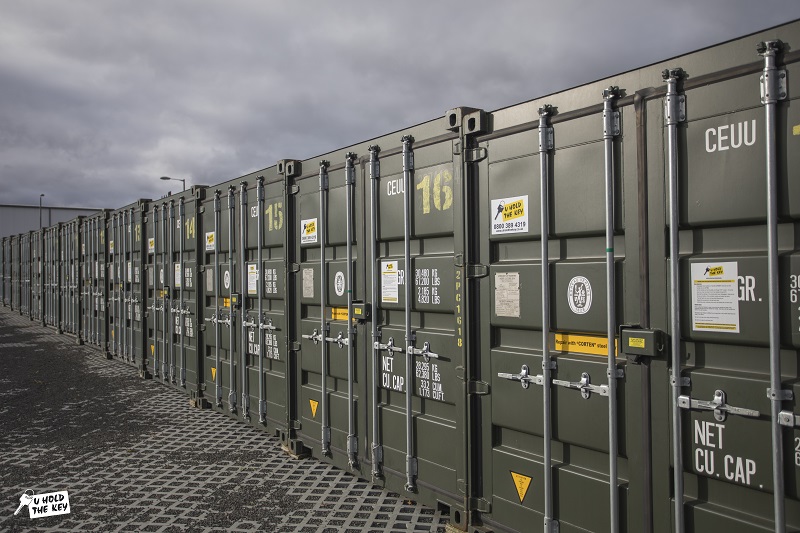
Container storage works well for many seasonal businesses, it provides dedicated space that can be brought into use quickly when things get busy and reduced again when they do not. This is where providers like U Hold The Key are a practical fit. Their container storage is set up specifically for business use, which suits seasonal demand, bulk items and temporary overflow without forcing long-term commitments.
Some businesses are better suited to self storage units, garages or smaller local spaces, depending on what they store and how often they need access. Location, access hours and security all matter, and there is no single right answer.
Platforms like Stashbee can help businesses compare different storage types and features across the UK, making it easier to decide what fits their needs before committing to space.
The important thing is choosing storage that supports flexibility rather than locking costs in place.
Seasonal businesses do not need to spend less at all times. They need to spend at the right times.
Flexible storage allows businesses to prepare properly for busy periods without dragging those costs through quieter months. It protects cash flow, reduces stress and makes planning easier when demand slows down.
When space costs rise and fall alongside demand, seasonal trading becomes far more manageable. Growth feels controlled rather than risky, and quiet periods stop feeling like a financial threat.
That is how seasonal businesses control costs without holding themselves back.