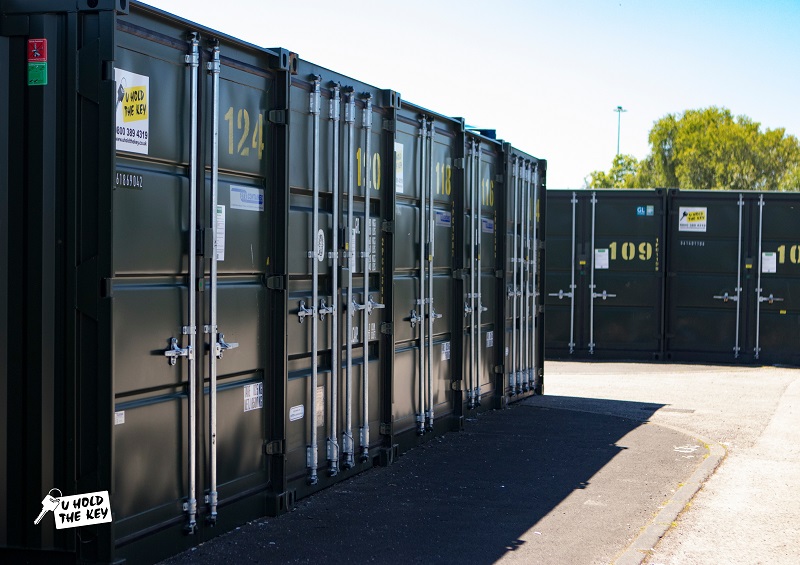
How Local Small Businesses in the North East Use Storage to Save Costs & Space
Running a small business in the North East means juggling stock, tools, paperwork, and seasonal peaks - all while keeping overheads lean. Whether you’re in Newcastle city centre, on the A19 corridor, or serving customers across Teesside, Durham and Northumberland, the smartest square footage often isn’t another office or a bigger shop. It’s a clean, secure storage unit you can flex up or down as your business changes.
Below, we’ll show exactly how local firms use business storage to save money, boost productivity, and create breathing room - without tying themselves to long leases or paying for space they don’t need.
Book Now
Find Nearest Site
Call Us
Why storage beats a bigger premises (most of the time)
1) Lower monthly costs, fewer headaches
- Traditional leases lock you in; storage lets you scale by the month.
- No paying for corridors, kitchens and meeting rooms you never use.
- Predictable, simple pricing with no surprise service charges.
2) Flexibility when business changes
- Busy period? Add a unit for short-term capacity.
- Quiet spell? Downsize without penalty.
- Launching a new product? Keep it separate and organised from day one.
3) Better use of your expensive space
- Keep your shop floor for customers, not boxes.
- Use your studio for billable work, not archived files.
- Clear out the back room so your team can move - and sell - faster.
4) Peace of mind
- Modern facilities include robust security measures and multi-layered protection.
- Keep valuable kit and stock away from damp garages or cluttered offices.
- Many sites offer convenient drive-up access so you can load and go quickly.
Who’s using business storage across the North East?
Independent retailers & e-commerce brands
- Hold buffer stock close to customers to speed up delivery.
- Separate returns and quality-control areas to keep things tidy.
- Store packaging materials in bulk to cut per-unit costs.
Trades & contractors (plumbers, sparkies, joiners, decorators)
- Keep tools, fixings and spares organised and safe between jobs.
- Stage kit for tomorrow’s work so vans can roll out faster.
- Share a unit with a small team to keep materials central.
Hospitality & events
- Store extra chairs, linens, bar stock, POS hardware and seasonal décor.
- Create a “kit cupboard” for pop-ups and festivals.
- Hold bulk dry goods or disposables without clogging the kitchen.
Agencies, studios & freelancers
- Archive completed projects, props, stands and sample packs.
- Keep exhibition kits intact between shows.
- Use racking to turn a unit into a neat, low-cost storeroom.
Charities & community groups
- Centralise donations, event equipment and literature.
- Keep records safe and accessible to volunteers.
- Scale space up for appeals or seasonal drives.
Property & maintenance services
- Stage refurb materials by site: flooring, paint, fixtures.
- Store ladders, signage and safety kit so teams can collect 24/7.
- Keep keys, meters, and spare parts organised in labelled crates.
A quick cost comparison (illustrative)
Let’s say a growing online shop estimates it needs the equivalent of 160 sq ft (a typical 20ft container):
- Option A: Bigger retail unit
Rent, business rates, service charges, insurance requirements, utilities and a longer commitment. You also pay for non-productive space (corridors, staff areas).
- Option B: Keep current premises + storage unit
Low monthly fee, month-to-month flexibility, drive-up access, no hidden service charges. You only pay for usable space for stock.
For many small firms, Option B is cleaner, cheaper and faster to change as demand evolves - especially around Christmas, summer season or after a successful product launch.
8 practical ways North East businesses use storage day-to-day
- Create a mini distribution hub
Pick and pack orders from racking; keep a simple station with tape, labels and a scale. If you sell on marketplaces, pre-pack bestsellers to cut fulfilment time.
- Stage tomorrow’s jobs
Trades load out in the evening so vans leave on time in the morning. Less faff, fewer forgotten parts, happier customers.
- Separate bulk from everyday
Keep bulk boxes in storage and drip-feed your shop floor so it stays tidy and shoppable.
- Protect high-value kit
Store expensive tools and event gear in a unit with strong physical security and access controls rather than in a van overnight.
- Manage seasonal peaks
Add a short-term unit in November–December, then drop back in January. No long-term commitment.
- Archive smartly
Box up records with clear labelling and a simple index. Free your studio or office for productive work.
- Zoned storage
Split the unit into areas: incoming stock, quarantine/QA, ready-to-ship, returns. A few shelves and labels make a world of difference.
- Shared team hub
If your crew works across Newcastle, Gateshead, Durham and Teesside, a central unit near the A1(M) or A19 becomes a convenient kit pick-up point.
What size unit is right for you?
While needs vary, these common setups work well:
- 10ft unit (≈80 sq ft):
Boxes of stock, hand tools, pop-up kit, micro-business archives.
- 20ft unit (≈160 sq ft):
Palletised goods, racking for e-commerce, multi-trade materials, event furniture.
- 40ft unit (≈320 sq ft):
Large seasonal inventories, bulky exhibition sets, multi-team maintenance stores.
Although normally 2 20ft units are better and give you more flexibility.
Tip: If you’re deciding between two sizes, start smaller. With flexible terms, you can upsize in minutes when you need more room.
Simple set-up checklist
- Shelving & racking: Use vertical space and keep walkways clear.
- Clear labelling: Aisles, shelves, and bins labelled so anyone can find items fast.
- Inventory basics: A shared spreadsheet or simple app to track in/out.
- Packing station: Tape, boxes, labels, scale, returns bin.
- Protection measures: Good locks, sensible access rules, and don’t store liquids above electronics.
- Loading plan: Heavier items at waist height; frequently picked items closest to the door.
- Waste & recycling: Keep flat-pack cardboard tidy to avoid clutter.
Real-world snapshots (based on typical use cases)
Case: Independent café, Newcastle
They use a 10ft unit to hold spare chairs, outdoor furniture, branded cups, and seasonal décor. Result: a clutter-free back-of-house and faster Saturday prep.
Case: Electrical contractor, Durham
A 20ft unit serves as a central hub for cable drums, consumer units, and fixtures. Teams collect pre-picked crates for next-day installs.
Case: Online boutique, Teesside
Racking turns a 20ft unit into a mini warehouse. Pre-packed bestsellers and a small packing table cut dispatch time in half.
Common questions (and straight answers)
Will I be tied into a long contract?
No - most business storage is deliberately flexible. Month-to-month is standard, with the option to upsize or downsize.
Can my team access the unit easily?
Yes - choose a location with drive-up access and extended hours so collections and drop-offs fit your schedule.
What about security?
Look for strong physical security, access controls and robust unit locks. Many businesses add their own best-practice measures as well - like discreet labelling and smart internal layout.
Can I get deliveries straight to my unit?
Many facilities accept deliveries or provide guidance for courier drop-offs - ask for the specific process at your chosen site.
Is it suitable for stock and equipment?
Yes - storage units are ideal for boxed, palletised, or racked goods and for properly stored tools and event kit. Check any item restrictions before you move in.
How U Hold The Key supports North East businesses
- Local, convenient sites near major routes for quick access across the region.
- Drive-up units so loading takes minutes, not hours.
- Flexible terms so you only pay for the space you need, when you need it.
- Friendly, practical guidance from a team that works with North East SMEs every day.
- Choice of unit sizes so you can start small and scale with confidence.
Whether you’re a sole trader or a growing team, we’ll help you match the right space to your workflow - and keep it easy to change as you grow.
Next steps: Make space work for you
- Not sure on size? Tell us what you store and how you work; we’ll recommend a unit and layout.
- Need it yesterday? We can get you set up quickly.
- Seasonal surge coming? Add short-term space without the long-term cost.
Ready to cut overheads and reclaim your workspace?
Get a quick quote today and see why so many North East businesses choose U Hold The Key to save costs and create space.
Get started
4 simple steps
- Get a quick quote online.
- Choose your size with our guide or a quick chat.
- Add any protection you want (locks, packaging, covers).
- Move in - drive up, load once, lock up.
Reserve a Storage Unit Now
Ready to store your items safely?
Explore our secure, flexible storage solutions across the North East. Whether you’re a business needing long-term space or a homeowner looking to declutter, we’ll help you find the perfect unit.
Book Now
Find Nearest Site
Call Us
Call us today to book a unit at your nearest site or click below to reserve online